
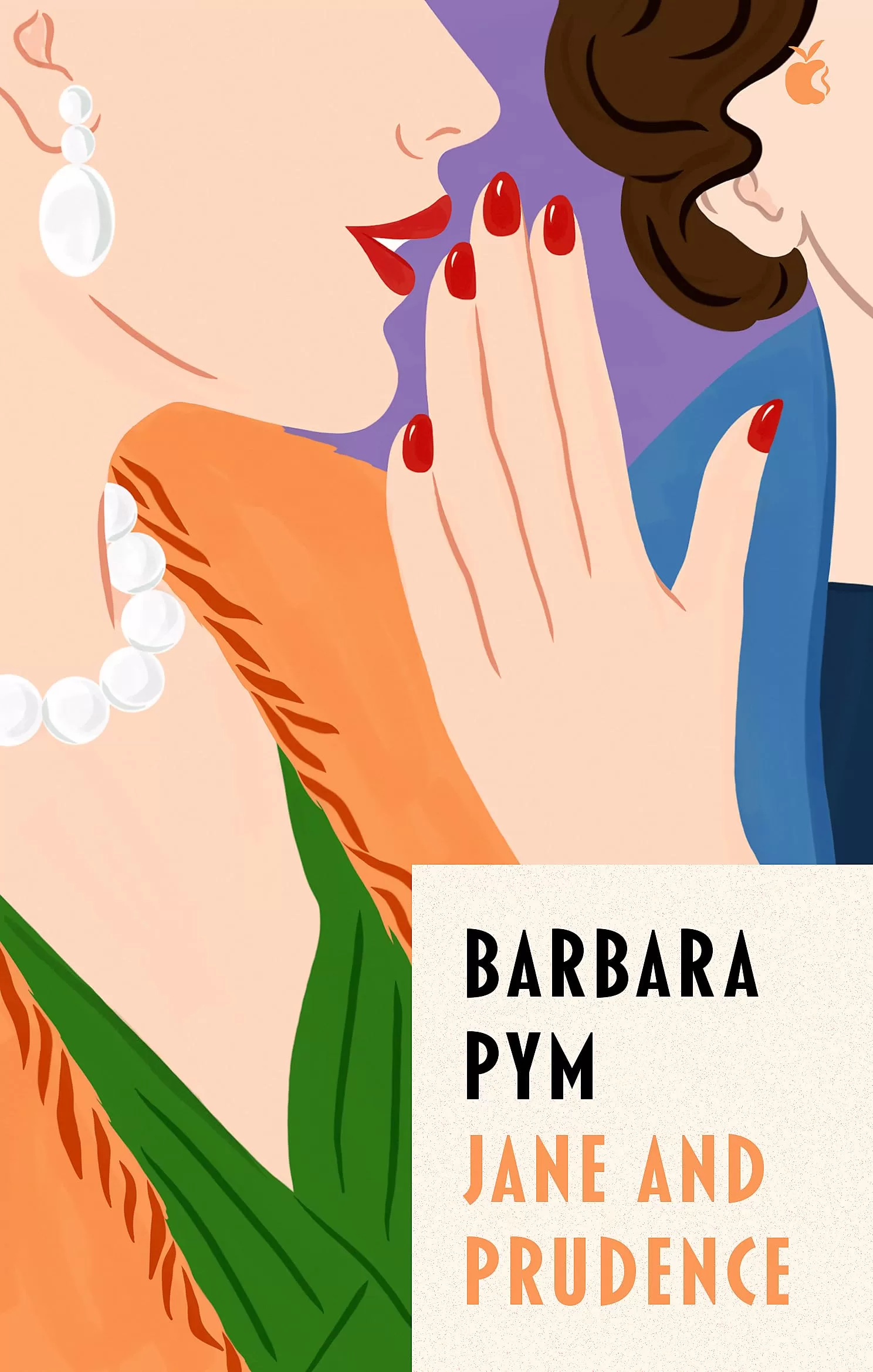
Our book group choice for May 2025 is Jane and Prudence by Barbara Pym. The book is a delightful dance around the lives of two very different women in post-war England. Jane Cleveland, a vicar’s widow in her late fifties, potters gently through her days, finding solace in Trollope novels and the comforting routines of village life. She’s a kind soul, a little vague, and often well-meaningly interferes in the lives of others.
Juxtaposed against Jane is her former Oxford student, Prudence Bates. A glamorous and rather self-absorbed woman in her thirties, Prudence navigates the complexities of London life, juggling a series of unsatisfactory jobs and fleeting romantic entanglements. She flits from one unsuitable man to another, her sharp wit often masking a deeper yearning for connection.
The novel follows their contrasting experiences, their occasional meetings, and their individual searches for contentment. Jane, with her quiet wisdom and gentle observations, often tries to guide Prudence, though her advice is not always heeded. Through their interactions, Pym subtly explores themes of aging, loneliness, the changing roles of women, and the enduring search for love and belonging in a world still recovering from war. With her signature blend of gentle humor, astute social observation, and poignant understanding of human nature, Pym crafts a charming and insightful portrait of two women navigating life’s gentle absurdities.
Discussion Questions
- How do Jane and Prudence embody different approaches to life, love, and intellect? Are they foils or complements to each other?
- The novel often highlights the mundane aspects of daily life. How does Pym elevate these everyday occurrences to create humor and insight?
- Discuss the role of marriage in the novel. How do Jane’s and Prudence’s experiences with marriage (or lack thereof) shape their identities and happiness?
- Pym’s characters are often described as “unmarried women.” How does this status define their social position and aspirations in the mid-20th century setting of the novel?
- Humor is a strong element in Jane and Prudence. What types of humor does Pym employ (e.g., situational, observational, ironic), and how effective are they?
- Consider the character of Fabian Driver. What does he represent, and how do both Jane and Prudence react to his presence in their lives?
- The novel features a cast of eccentric supporting characters. Choose one or two (e.g., Jessie Morrow, Miss Doggett, Mrs. Glaze) and discuss their contribution to the narrative and themes.
- How does Pym use indirect speech and subtle observations to reveal her characters’ inner thoughts and motivations?
- Discuss the significance of academic or intellectual pursuits for some of the characters. How do these pursuits connect to or diverge from their personal lives?
- The novel is set in a specific post-war English village and London. How does the setting contribute to the novel’s atmosphere and the characters’ experiences?
- Are Jane and Prudence truly happy at the end of the novel? What does Pym suggest about the nature of contentment and fulfillment?
- What role does gossip play in the community depicted in the novel? Is it benign, harmful, or both?
- Explore the theme of aging and spinsterhood in the novel, particularly through characters like Miss Doggett. How does Pym portray these experiences?
- How does the novel subtly critique or comment on societal expectations for women in the 1950s?
- Discuss the significance of objects or domestic details in the novel. How do they reveal character or advance the plot?
- Pym is often praised for her keen observation of human nature. What insights into human behavior did you gain from reading Jane and Prudence?
- If you were to adapt this novel for the screen, what key elements would you emphasize, and which actors might you cast in the main roles?
- Compare and contrast Jane and Prudence with other works by Barbara Pym you may have read, or with other authors of a similar style.
- What is the enduring appeal of Barbara Pym’s novels, and specifically Jane and Prudence, to readers today?
- What, if anything, did you find frustrating or challenging about the novel? Did your initial impressions of the characters or plot change as you read?How do Jane and Prudence embody different approaches to life, love, and intellect? Are they foils or complements to each other?
- The novel often highlights the mundane aspects of daily life. How does Pym elevate these everyday occurrences to create humor and insight?
- Discuss the role of marriage in the novel. How do Jane’s and Prudence’s experiences with marriage (or lack thereof) shape their identities and happiness?
- Pym’s characters are often described as “unmarried women.” How does this status define their social position and aspirations in the mid-20th century setting of the novel?
- Humor is a strong element in Jane and Prudence. What types of humor does Pym employ (e.g., situational, observational, ironic), and how effective are they?
- Consider the character of Fabian Driver. What does he represent, and how do both Jane and Prudence react to his presence in their lives?
- The novel features a cast of eccentric supporting characters. Choose one or two (e.g., Jessie Morrow, Miss Doggett, Mrs. Glaze) and discuss their contribution to the narrative and themes.
- How does Pym use indirect speech and subtle observations to reveal her characters’ inner thoughts and motivations?
- Discuss the significance of academic or intellectual pursuits for some of the characters. How do these pursuits connect to or diverge from their personal lives?
- The novel is set in a specific post-war English village and London. How does the setting contribute to the novel’s atmosphere and the characters’ experiences?
- Are Jane and Prudence truly happy at the end of the novel? What does Pym suggest about the nature of contentment and fulfillment?
- What role does gossip play in the community depicted in the novel? Is it benign, harmful, or both?
- Explore the theme of aging and spinsterhood in the novel, particularly through characters like Miss Doggett. How does Pym portray these experiences?
- How does the novel subtly critique or comment on societal expectations for women in the 1950s?
- Discuss the significance of objects or domestic details in the novel. How do they reveal character or advance the plot?
- Pym is often praised for her keen observation of human nature. What insights into human behavior did you gain from reading Jane and Prudence?
- If you were to adapt this novel for the screen, what key elements would you emphasize, and which actors might you cast in the main roles?
- Compare and contrast Jane and Prudence with other works by Barbara Pym you may have read, or with other authors of a similar style.
- What is the enduring appeal of Barbara Pym’s novels, and specifically Jane and Prudence, to readers today?
- What, if anything, did you find frustrating or challenging about the novel? Did your initial impressions of the characters or plot change as you read?
Individual Ratings
Anthony's Rating 

Catherine's Rating 
Hayley's Rating
EmmaT's Rating
Sue's Rating
Jo's Rating